
Exploring the cultural implications of gambling across societies
Understanding Gambling Through Historical Lenses
The history of gambling is rich and multifaceted, reflecting the values and norms of the societies that engage in it. Ancient civilizations, such as the Greeks and Romans, incorporated games of chance into their social fabric, often linking them to religious practices and social gatherings. These early forms of gambling highlighted not only leisure but also the inherent human desire for risk and uncertainty. In many cultures, gambling served as a form of entertainment, while simultaneously functioning as a means of social bonding and economic exchange. Today, the rise of online casino australia has further transformed these interactions, bringing new dynamics into play.
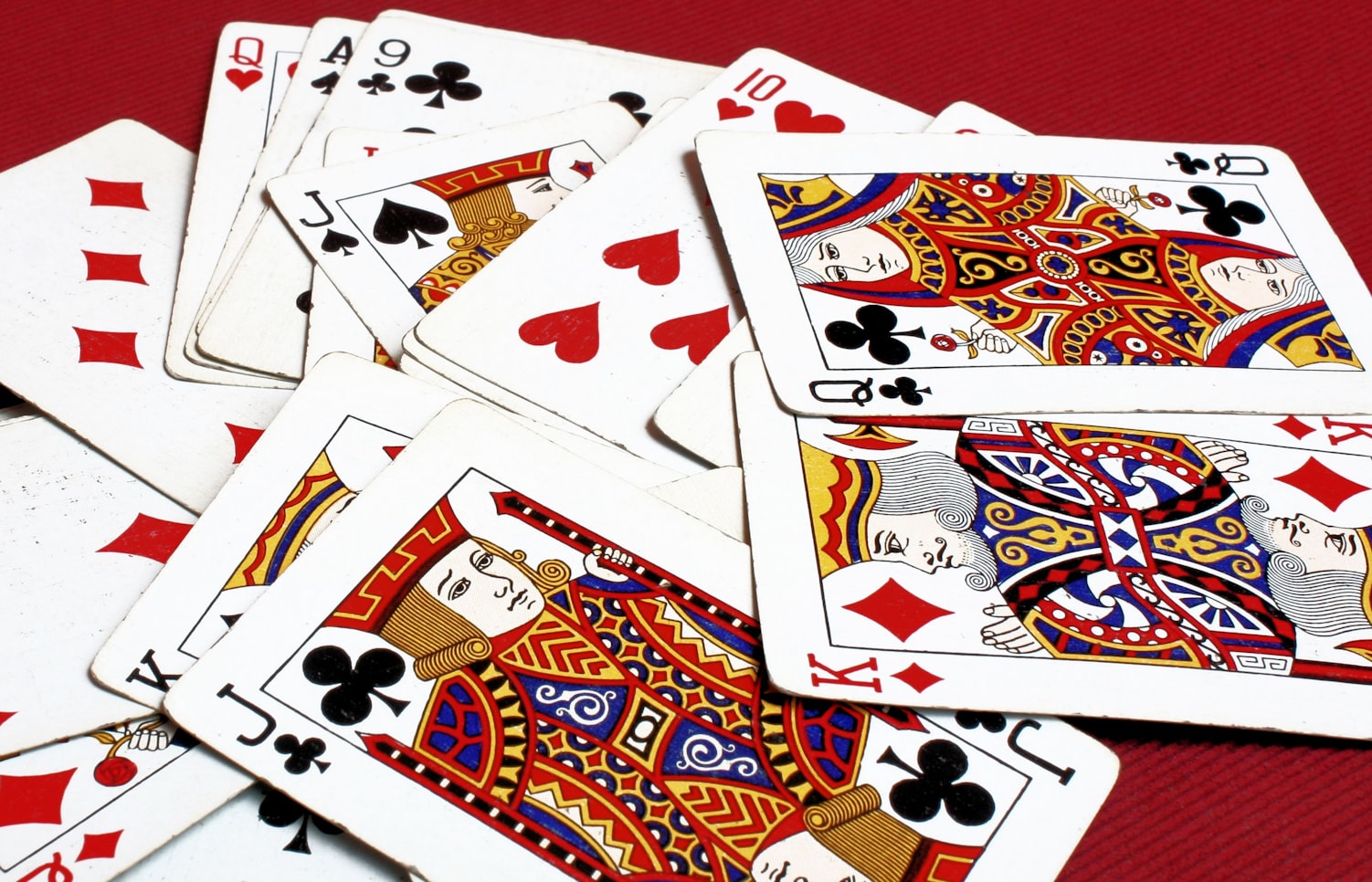
As societies evolved, so did their perspectives on gambling. In the Middle Ages, for instance, gambling was often viewed with suspicion, associated with moral decay and vice. However, it persisted through various cultural adaptations, leading to different regulatory frameworks and societal attitudes. By exploring these historical contexts, we can gain insight into how gambling practices have been influenced by, and in turn have influenced, cultural norms over centuries.
The Role of Gambling in Social Structures
In many cultures, gambling acts as a mirror reflecting the social hierarchy and relationships within a community. It can serve as a tool for social mobility, particularly in cultures where traditional economic opportunities may be limited. By engaging in gambling activities, individuals often seek not just financial gain but also social status. This can be observed in various forms, such as high-stakes poker games that attract individuals from different walks of life, thereby creating a unique social dynamic that underscores the complexities of gambling.
Additionally, gambling can reinforce or challenge social norms. In some societies, collective gambling activities, such as community lotteries or sports betting, foster a sense of solidarity among participants. Conversely, in cultures that view gambling negatively, engaging in such activities can lead to social ostracism or conflict. Understanding these dynamics is crucial in assessing the broader implications of gambling on societal cohesion and identity.
Gambling and Cultural Identity
Gambling often intersects with cultural identity, serving as both a source of pride and contention. For instance, traditional games like Mahjong in Chinese culture or Pachisi in India are more than mere pastimes; they embody cultural heritage and communal values. Such games can strengthen familial bonds and cultural continuity, acting as a bridge across generations, illustrating how integral gambling can be to identity.
However, globalization has introduced external gambling influences that can clash with or enhance local practices. The proliferation of online gambling platforms has created a new landscape that often prioritizes profit over cultural significance. This shift raises questions about the preservation of traditional gambling practices and the potential erosion of cultural identity in the face of modern influences.
Psychological and Ethical Dimensions of Gambling
The psychological implications of gambling extend beyond mere chance, delving into issues of addiction, risk-taking behavior, and decision-making. For many individuals, gambling can serve as an escape from reality, offering a fleeting sense of control and excitement. However, this reliance can lead to detrimental consequences, impacting not just the gambler but also their families and communities.
Ethically, the debate around gambling often centers on the balance between personal freedom and societal responsibility. While many advocate for the right to gamble, concerns about addiction and exploitation challenge this notion. Societies must navigate these complex ethical waters, weighing the economic benefits of gambling against potential social harms.

Conclusion: The Multifaceted Nature of Gambling
Gambling exists at the crossroads of culture, psychology, and ethics, making it a complex topic worthy of exploration. Its implications resonate across societies, influencing social dynamics, cultural identity, and individual behavior. As we delve deeper into the cultural dimensions of gambling, it becomes apparent that understanding these practices is essential for fostering healthy discourse around them.
In essence, exploring the cultural implications of gambling helps illuminate not only the diverse ways societies engage with chance and risk but also the broader narratives that shape our understanding of community, identity, and morality in an ever-evolving world.